

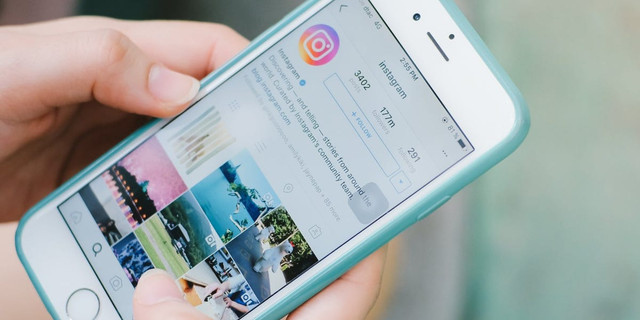
A dp viewer is a tool or service designed to help users view profile pictures displayed on social media, messaging platforms, or other online profiles. Depending on the platform and service, these tools may provide a clearer view of a publicly visible profile image, make it easier to inspect a small picture, or organize profile-image information in a more convenient format.
Profile pictures, often called display pictures or DPs, are an important part of online identity. People use them to represent themselves, businesses use them for branding, and communities use them to recognize members. Because profile images are often displayed in small circular thumbnails, users may sometimes want to see the image more clearly.
However, profile-picture viewing should always respect privacy settings, platform rules, and the expectations of the person who uploaded the image. A responsible approach focuses on publicly available information rather than attempting to bypass restrictions or access private content.
What Is a DP Viewer?
A dp viewer generally refers to a tool, feature, or website that allows someone to view a profile picture in a larger or more convenient format. The exact functionality varies considerably because different social networks use different privacy controls, image formats, and profile structures.
Some services simply enlarge an image that is already publicly accessible. Others may provide a search interface where users enter a public username or profile identifier. In some cases, the feature may be built directly into a social platform rather than offered as a separate service.
It is important to understand that such a tool does not automatically provide access to every profile picture on the internet. Private accounts, restricted profiles, deleted content, or protected images may not be accessible, and legitimate services should not claim otherwise.
How Profile Picture Viewing Works
The basic process depends on the platform and the technology behind the service. When a profile image is publicly available, a viewing tool may retrieve the same publicly accessible image and display it at a more useful size.
For example, a social platform might show a 100-pixel thumbnail beside a username. A viewing interface could present the available version in a larger window, making details easier to recognize.
A typical process may involve:
- Entering a public username or profile reference.
- Finding the associated publicly visible profile.
- Displaying the available profile image.
- Viewing the image at a larger size when supported.
The important distinction is between displaying public information and attempting to defeat privacy restrictions. A legitimate profile-image tool should operate within the access provided by the platform.
Common Uses of DP Viewing Tools
There are several practical reasons someone may want to inspect a profile picture. One common use is simply identification. A person may have several contacts with similar names and use profile images to distinguish between them.
Another use involves professional or business profiles. Companies, freelancers, creators, and organizations often use profile pictures as recognizable branding elements. Viewing a publicly available image at a clearer size can help users identify an account or understand its branding.
A dp viewer can also be useful when a profile image appears too small to recognize properly. This is particularly relevant on platforms where profile photos are automatically cropped into circular thumbnails.
Other ordinary uses include checking whether a public account belongs to the expected person, examining a public creator profile, or viewing an image that is already openly displayed by the account owner.
Key Features to Look For
Not every profile-picture viewing service provides the same experience. Before using one, it helps to understand which features are actually useful and which claims may be unrealistic.
| Feature | What It Means | Why It Matters |
|---|---|---|
| Public profile access | Works with information already visible online | Supports responsible use |
| Image enlargement | Displays an available image at a larger size | Improves visual clarity |
| Simple interface | Requires minimal steps | Makes navigation easier |
| Mobile compatibility | Works on phones and tablets | Useful for mobile users |
| Privacy-conscious design | Avoids bypassing restricted information | Helps protect users |
| Clear limitations | Explains what cannot be accessed | Builds realistic expectations |
A good service should also avoid requesting unnecessary personal information. If a simple public image lookup requires passwords, private account credentials, or excessive permissions, users should consider whether the service is appropriate.
Privacy and Ethical Considerations
Profile pictures may be publicly visible, but that does not mean every possible use of them is appropriate. A person may intentionally publish an image for friends, professional contacts, customers, or a particular online community.
Responsible use means respecting the original context. Users should not use profile images for harassment, impersonation, stalking, unwanted contact, or other harmful activities.
When using a dp viewer, it is also important to avoid services that promise access to private accounts or hidden profile pictures. Such claims can be misleading and may encourage behavior that violates platform rules or another person’s privacy.
Users should also be careful about downloading or redistributing someone else’s image. A publicly accessible photograph can still have ownership, privacy, or usage considerations attached to it.
Public Profiles vs. Private Profiles
One of the most important concepts in profile-picture viewing is the difference between public and private information.
A public profile may allow anyone to see a profile picture, username, or other selected information. A private profile can restrict what non-followers or non-approved users can access. These controls are normally designed to give account owners greater control over their digital presence.
A viewing service should not be treated as a shortcut around those settings. If an image is unavailable because the account owner has restricted it, attempting to circumvent that restriction raises both ethical and potentially platform-policy concerns.

This distinction also helps users recognize exaggerated claims. A service cannot legitimately guarantee access to every profile image simply because a profile exists.
Benefits for Everyday Users
The main benefit of profile-image viewing is convenience. Small thumbnails can make it difficult to identify a person or understand an image, particularly when the original photograph contains several visual details.
A dp viewer may also provide a cleaner way to inspect an already public image without repeatedly navigating through an account interface. For businesses and creators, a larger profile image can make branding elements easier to recognize.
Another advantage is accessibility. Some users may have difficulty interpreting very small images on desktop or mobile screens. A larger presentation can improve basic visual clarity without changing the underlying information.
However, these benefits depend on what the platform makes publicly available. No tool should be expected to provide information that an account owner or platform has intentionally restricted.
Choosing a Safer Profile Image Tool
When evaluating a profile-image service, users should look beyond attractive claims. A reliable tool should explain its purpose clearly and avoid requesting sensitive credentials.
Consider these points before using a service:
- Check whether it requires a password or unnecessary account access.
- Read its privacy and data-handling information when available.
- Avoid services claiming guaranteed access to private profiles.
- Be cautious about unexpected downloads, redirects, or permission requests.
- Use profile information only for legitimate and respectful purposes.
A simple interface is useful, but privacy and transparency are more important than extra features. Users should also keep their own accounts protected with strong passwords and appropriate privacy settings.
Limitations You Should Know
A dp viewer cannot necessarily display every profile picture at its original resolution. Social platforms may compress images, resize them, remove older versions, or restrict access depending on account settings.
Technical changes can also affect compatibility. A service that works with one platform may not support another, and features can stop working when a platform changes its interface or privacy system.
Image availability can also vary by region, account type, and login status. For these reasons, users should treat third-party viewing tools as convenience services rather than guaranteed access systems.
Another limitation is authenticity. Seeing a profile image does not prove that an account is genuine. A photograph can be copied, edited, or used by another person. Profile pictures should therefore be considered one identification signal rather than definitive proof of identity.
Responsible Use in the Digital World
Using a dp viewer responsibly means keeping the purpose simple: viewing information that is intentionally available to the public. Users should avoid collecting large numbers of profile images, creating misleading identities, or using photographs in ways that could harm the people depicted.
For account owners, privacy settings remain one of the most effective ways to control who can see profile information. Choosing an appropriate profile picture, reviewing visibility settings, and understanding platform controls can reduce unwanted exposure.
For viewers, respecting those choices is equally important. Digital information may be easy to access, but accessibility does not remove the need for responsible behavior.
DP Viewer vs. Manual Profile Viewing
Manual profile viewing and dedicated viewing tools can serve similar purposes, but the experience may differ. Opening a profile directly gives users more context, including the account name, biography, posts, and other publicly shared information. A specialized image viewer may focus primarily on the profile picture.
For simple identification, direct profile access may be enough. A dedicated interface can be more convenient when the main purpose is examining a publicly displayed image. The appropriate option depends on the platform, the available information, and the user’s reason for viewing it.
Neither approach should be considered a method for accessing private information.
Conclusion
A dp viewer can be a convenient way to examine publicly available profile pictures, especially when standard thumbnails are too small or difficult to recognize. Its usefulness depends on the platform, image availability, technical limitations, and the privacy settings selected by the account owner.
The safest approach is to use such tools only for legitimate purposes and publicly accessible information. Avoid services that request unnecessary credentials or promise access to private content. By combining practical awareness with respect for privacy, users can make better decisions about profile-image viewing while maintaining responsible digital habits.
