

Introduction
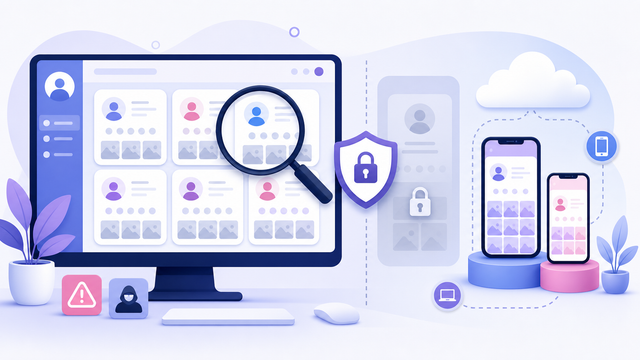
WhatsApp profile photos help people recognize contacts, express their personalities, and make conversations feel more personal. However, not everyone wants their display picture to be visible to every person who has their phone number. This is where understanding WhatsApp DP Viewer searches and profile photo privacy becomes important. People often look for ways to view WhatsApp display pictures, understand visibility restrictions, or manage their own profile images more effectively. Although various websites and applications claim to provide profile picture viewing services, their capabilities and safety can differ significantly. Understanding how WhatsApp privacy settings work helps users make informed decisions without compromising personal information. A responsible approach to WhatsApp DP Viewer tools involves respecting other people’s privacy, avoiding suspicious services, and learning how official settings control who can see a profile photo. With a little awareness, users can enjoy convenient communication while maintaining greater control over their digital identity.
Understanding WhatsApp DP Viewer
WhatsApp DP Viewer is a commonly used search term for tools, websites, or methods associated with viewing WhatsApp profile pictures. DP stands for display picture, which is another name for a profile photo. People may search for these services when they want to see a contact’s picture more clearly or understand why a particular image is unavailable.
However, the phrase does not describe one official WhatsApp application or guarantee that a particular website can access restricted photographs. WhatsApp provides its own profile picture viewing experience through the messaging application. What a person can see depends on the account owner’s privacy settings, the viewer’s relationship with that account, and other relevant restrictions.
Understanding this distinction is essential because third-party services sometimes make exaggerated promises about accessing hidden or private profile pictures. A website claiming to bypass privacy controls should not automatically be considered trustworthy. Users should focus on legitimate viewing options and avoid services that request unnecessary personal information, verification codes, or account credentials.
How WhatsApp Profile Photo Privacy Works
WhatsApp includes privacy controls that allow users to decide who can view their profile photo. These controls help people balance convenience with personal boundaries. Depending on the available settings, users can make their photo visible to everyone, restrict visibility to their contacts, exclude selected contacts, or prevent others from seeing it.
The exact options available may vary with the application’s version and settings. Users can review their preferences by opening WhatsApp, entering Settings, selecting Privacy, and choosing Profile Photo. The available choices should be checked directly in the application because interface details may change over time.
When someone cannot see a profile picture, several explanations are possible. The account owner might have limited visibility, the viewer might not be included among permitted contacts, or the image might have been removed. Connectivity issues and temporary application problems can also affect what appears on the screen.
Consequently, an unavailable profile picture does not necessarily mean someone has blocked another user. It is better to avoid making assumptions and respect the privacy preferences that an account owner has chosen.
Why People Search for WhatsApp DP Viewer
People search for WhatsApp DP Viewer for different reasons. Some want to identify a person whose phone number they have recently saved. Others want to understand how profile pictures appear when privacy settings are enabled. Users may also be curious about image quality, profile photo visibility, or the reasons a contact’s picture is missing.
For example, someone receiving a message from an unfamiliar number might want to recognize the sender before responding. A visible profile picture may provide useful context, although it does not independently prove someone’s identity. Photographs can be outdated, copied, or misleading, so users should consider other information before trusting an unknown contact.
Another common reason is managing one’s own digital presence. People who regularly use WhatsApp for family communication, professional conversations, or business enquiries may want to understand who can see their photograph.
Whatever the reason, the safest approach is to use WhatsApp’s built-in features and avoid attempting to access information that another person has intentionally restricted.
The Difference Between Official Features and Third-Party Tools
Official WhatsApp features operate within the application’s privacy controls. Third-party DP viewer websites and applications are separate services that may offer different functionality, make unsupported claims, or collect information from visitors. Understanding this difference helps users assess potential risks before interacting with an unfamiliar platform.
A third-party website might display publicly accessible information, provide instructions about profile pictures, or simply request information without delivering the promised result. Its presence online does not establish that it has special access to WhatsApp accounts.
Users should be particularly cautious when a service asks them to install an unknown application, enter their WhatsApp verification code, scan an unfamiliar QR code, or provide account credentials. Such requests may expose an account to unauthorized access or other security problems.
A safer alternative is to open the official WhatsApp application and view profile photos available to the account under normal privacy rules. If a picture is not visible, there is no need to use a questionable service to investigate further.
Benefits of Understanding Profile Photo Privacy
Learning how profile photo visibility works provides several practical benefits. First, it helps users control their personal information. A profile picture may reveal a person’s face, workplace, family relationships, location clues, or everyday activities. Limiting its audience can reduce unnecessary exposure.
Second, understanding privacy settings can prevent misunderstandings. Someone might assume that a missing photograph indicates rejection or blocking when the actual explanation is simply a privacy preference. Knowing the possible reasons encourages more reasonable interpretations.
Third, privacy awareness helps users recognize potentially deceptive services. Websites that promise unlimited access to private photographs may encourage people to ignore important security boundaries. Understanding the limits of legitimate access makes these claims easier to evaluate.
Finally, responsible profile picture practices support healthier digital communication. People can decide how they present themselves while respecting the choices made by friends, colleagues, and strangers. Privacy is not simply a technical setting; it is also a matter of trust, consent, and consideration.
Choosing Safer Ways to View Profile Pictures
When viewing WhatsApp profile pictures, the most reliable option is to use the official application. Open the relevant conversation or contact information and check whether the person’s profile photo is available. If the image cannot be viewed, remember that the account owner’s settings may explain the limitation.
Users should also pay attention to the permissions requested by applications. A profile picture service should not need a WhatsApp password or verification code to explain general privacy settings. Unexpected requests for sensitive information are a reason to stop using the service.
Keeping WhatsApp updated is another sensible precaution because updates can include security improvements and changes to application functionality. Users should download applications through trusted distribution channels and review permissions before installation.
It is equally important to avoid uploading someone else’s photograph to unfamiliar websites without a legitimate reason. Images can contain personal information, and sharing them outside their intended context may create privacy concerns.
Managing Your Own WhatsApp Display Picture
Managing your own profile photo is one of the most useful ways to apply what you learn about WhatsApp DP Viewer. Begin by choosing an image that reflects how you want to present yourself. A simple personal photograph may be appropriate for friends and family, while a professional image might suit business communication.
Next, review the profile photo visibility setting. If you prefer a smaller audience, select the available option that limits visibility to appropriate contacts. If your circumstances change, revisit the setting rather than assuming your previous choice still meets your needs.
Consider what your photograph communicates beyond your appearance. Background details might reveal a home address, workplace, school, vehicle registration, or other identifying information. Selecting an image without unnecessary personal details can improve privacy.
You should also remember that changing a profile picture does not replace other account security measures. Strong device protection, careful handling of verification codes, and awareness of suspicious messages remain important parts of safe messaging.
Common Misunderstandings About WhatsApp DP Viewer
One widespread misunderstanding is that every WhatsApp profile picture can be viewed through a special website. In practice, visibility depends on the information available through legitimate access and the account owner’s settings. A third-party service cannot be assumed to override those restrictions simply because it advertises that ability.
Another misconception is that a missing profile picture proves someone has blocked the viewer. Several explanations can account for an unavailable image, so the display alone is insufficient evidence to establish what happened.
Some people also believe that seeing a photograph confirms a person’s identity. However, profile pictures are not reliable identity verification. Scammers can use another person’s image, and legitimate users may use illustrations or photographs that do not show their faces.
Finally, users sometimes assume that all online DP viewer tools are harmless. In reality, unfamiliar services may collect data, display deceptive advertisements, or request dangerous permissions. Evaluating a service carefully is more sensible than trusting its claims.
FAQs About WhatsApp DP Viewer
What Is WhatsApp DP Viewer?
WhatsApp DP Viewer is a search term associated with viewing WhatsApp profile pictures. It may refer to websites, applications, or ordinary viewing methods, but it is not the name of a single official WhatsApp service.
Can I View Every WhatsApp Profile Picture?
No. Profile picture visibility depends on the account owner’s privacy settings and other restrictions. A photograph that is unavailable through legitimate access should not be assumed to be accessible through another website.
Is WhatsApp DP Viewer Safe to Use?
Safety depends on the particular service. Unknown websites and applications may make misleading claims or request sensitive information. Using WhatsApp’s built-in features and avoiding requests for verification codes or passwords is a safer approach.
Why Can I Not See Someone’s WhatsApp DP?
The person may have restricted profile photo visibility, removed the photograph, or configured their account so that you cannot view it. Temporary technical issues may also affect visibility. A missing picture alone does not prove that you have been blocked.
Can I Control Who Sees My WhatsApp Profile Picture?
Yes. WhatsApp provides profile photo privacy settings that let you manage visibility. Open Settings, select Privacy, and review the Profile Photo options available in your application.
Do Third-Party DP Viewer Apps Bypass Privacy Settings?
You should not assume that they do. Claims of unrestricted access may be misleading, and attempting to circumvent another person’s privacy choices is inappropriate. Use official features and respect visibility restrictions.
Conclusion
WhatsApp DP Viewer searches reflect a common interest in profile picture visibility, online identity, and messaging privacy. Understanding how WhatsApp controls profile photo access helps users distinguish legitimate features from questionable third-party claims. It also explains why some photographs may be unavailable and why that situation should not automatically be interpreted as blocking or rejection.
The most practical approach is to use WhatsApp’s official viewing features, review personal privacy settings, and remain cautious when unfamiliar services request sensitive information. Users should also think carefully about the images they share and the audience they allow to view them. By respecting other people’s choices and protecting their own information, individuals can make smarter decisions about WhatsApp profile photos and enjoy a safer, more responsible messaging experience.
